
What Value-Added Agriculture Really Means for Modern Farmers
May 21, 2026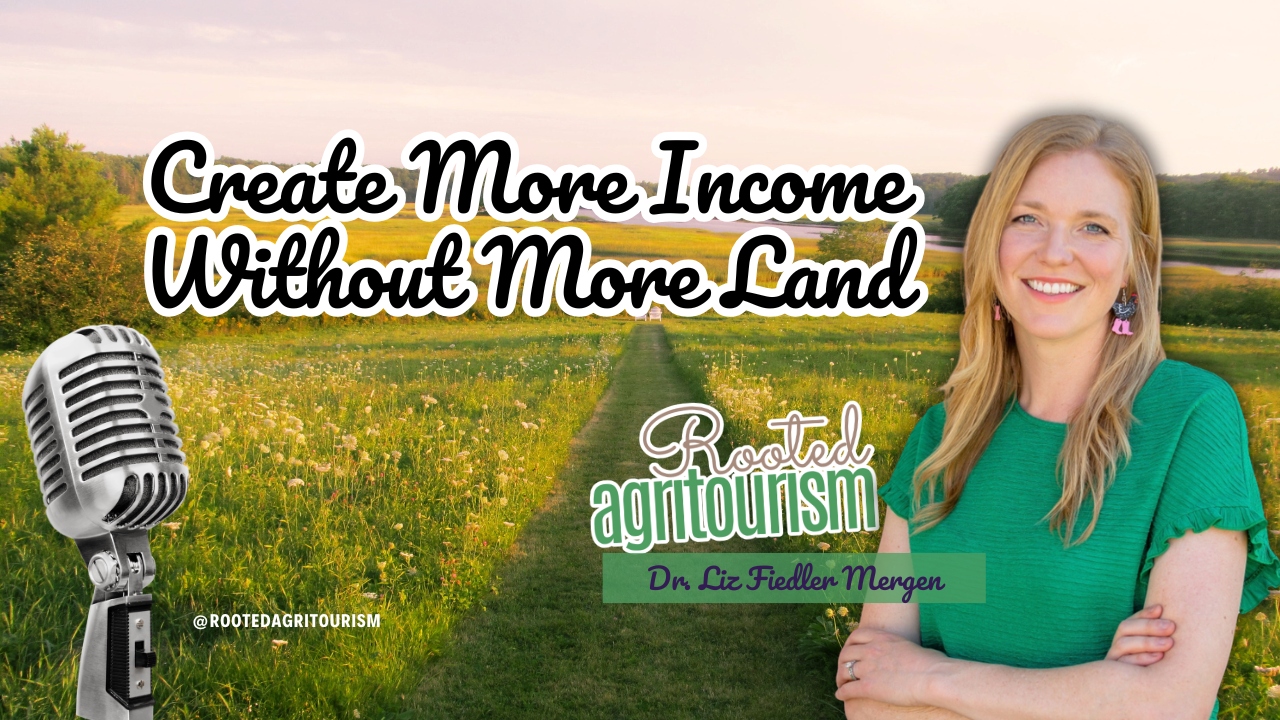
As farmers, we often hear the phrase “value-added agriculture,” but many people still are not entirely sure what it means in practice. The reality is that value-added agriculture is one of the most important tools farmers have today if they want to move beyond simply surviving and begin building a sustainable, thriving business.
For me, value-added agriculture has completely changed the trajectory of my farm. It is the reason I can generate more income from the same land, the same flowers, and the same infrastructure without constantly chasing more acreage or more production.
What Is Value-Added Agriculture?
At its core, value-added agriculture means increasing the value of what you already produce before it reaches the end consumer.
It is not necessarily about growing more. It is about creating more value from what you already have.
A simple example is wheat becoming flour or bread. Milk becomes cheese or ice cream. On my flower farm, bulk flowers become wedding florals, workshops, photography experiences, and on-farm events.
The raw product remains the same, but the customer experience changes dramatically. That shift changes what customers are willing to pay for the product.
Why Direct-to-Consumer Farming Matters
Traditional agriculture has long relied on a chain that looks like this:
Farmer → Distributor → Retailer → Customer
Every step in that process takes a portion of the margin away from the farmer. Direct-to-consumer agriculture changes that equation.
When customers buy directly from a farmer, they are not just purchasing a product. They are purchasing connection, trust, education, and experience.
Customers Want More Than Products
One of the biggest shifts happening in agriculture today is that customers want to feel connected to where their products come from.
People want to meet the farmer. They want to see the land. They want to understand the story behind the product.
That is why agritourism has become such a powerful business model.
Experiences like:
- Pumpkin patches
- Corn mazes
- Flower workshops
- Farm dinners
- Wedding venues
- Pick-your-own farms
- Educational tours
all create value beyond the raw commodity itself.
The Financial Reality of Value-Added Agriculture
I always try to be honest about this. Value-added agriculture is not easier.
In many ways, it is significantly harder.
You are no longer only farming. You are also managing:
- Marketing
- Customer service
- Branding
- Event coordination
- Sales
- Hospitality
- Social media
- Education
You wear many more hats.
However, you also gain something incredibly important: control.
Building Margin Instead of Chasing Commodity Prices
Farmers cannot control global commodity markets, fuel costs, or input costs. But we can control how we market our products and the experiences we build around them.
Value-added agriculture allows farmers to create pricing structures that better reflect the true value of their work.
It also helps stabilize income streams and build customer loyalty in ways commodity agriculture often cannot.
Why Agritourism Is Still Agriculture
One misconception I encounter often is the belief that agritourism somehow is not “real agriculture.”
I strongly disagree with that idea.
If a family visits a farm for a workshop, wedding, corn maze, pumpkin patch, or floral event, they are directly supporting agriculture. They are helping keep farmland productive and preserving rural communities.
Modern agriculture is not limited to raw production alone. It also includes education, connection, tourism, and experiences that sustain farming families.
The Difference Between Surviving and Thriving
At the end of the day, thriving in agriculture often does not come down to having more land.
Sometimes it comes down to one pivot.
One creative idea.
One new way of selling what you already produce.
Value-added agriculture gives farmers the opportunity to build businesses that are not only financially sustainable but deeply meaningful as well.
And that matters now more than ever.
Stay connected with news and updates!
Join our mailing list to receive the latest news and updates from our team.
Don't worry, your information will not be shared.
We hate SPAM. We will never sell your information, for any reason.

